

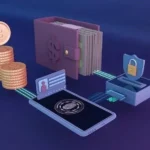

Canada has seen increasing adoption of Bitcoin and other cryptocurrencies. A crucial component of participating in this digital economy is a secure and reliable Bitcoin wallet. This article details the various types of wallets available to Canadians, legal considerations, popular options, and security best practices.
Types of Bitcoin Wallets
Bitcoin wallets don’t actually store Bitcoin; they hold the private keys needed to access and spend your Bitcoin on the blockchain. Different wallet types offer varying levels of security and convenience.
- Hardware Wallets: Considered the most secure. These are physical devices (like USB drives) that store your private keys offline, protecting them from online threats. Examples include Ledger and Trezor.
- Software Wallets (Desktop): Installed on your computer. Offer a good balance of security and convenience. Electrum and Exodus are popular choices.
- Software Wallets (Mobile): Apps on your smartphone. Convenient for everyday transactions but generally less secure than hardware or desktop wallets. Trust Wallet and BRD are examples.
- Web Wallets: Accessed through a web browser. The least secure option as your private keys are held by a third party. Coinbase and Blockchain.com offer web wallets.
- Paper Wallets: Involve printing your public and private keys on a piece of paper. Extremely secure if generated and stored correctly, but prone to physical loss or damage;
Legal Considerations in Canada
The Canadian Revenue Agency (CRA) considers Bitcoin a commodity. This means any profits from buying and selling Bitcoin are subject to capital gains tax. You are responsible for tracking your Bitcoin transactions and reporting them accurately. Using a wallet doesn’t change these tax obligations. Canadian exchanges are increasingly required to report customer data to the CRA;
Popular Bitcoin Wallets in Canada
Here’s a look at some wallets frequently used by Canadians:
- Coinbase: A popular exchange with a built-in web and mobile wallet. Easy to use, but fees can be higher.
- Ledger Nano S/X: Leading hardware wallet options, providing excellent security.
- Trezor Model T: Another highly-regarded hardware wallet.
- Electrum: A desktop wallet known for its advanced features and customization options.
- Exodus: A multi-currency desktop and mobile wallet with a user-friendly interface.
- Shapeshift: Primarily a crypto exchange, but offers a non-custodial wallet.
Security Best Practices
Protecting your Bitcoin is paramount. Follow these guidelines:
- Strong Passwords: Use unique, complex passwords for your wallet and any associated accounts.
- Two-Factor Authentication (2FA): Enable 2FA whenever possible for an extra layer of security.
- Backup Your Wallet: Create a secure backup of your wallet’s recovery phrase (seed phrase). Store it offline in a safe place.
- Keep Software Updated: Regularly update your wallet software to patch security vulnerabilities.
- Beware of Phishing: Be cautious of suspicious emails or websites asking for your private keys or login credentials.
- Use a VPN: Consider using a Virtual Private Network (VPN) when accessing your wallet on public Wi-Fi.
- Small Test Transactions: Before sending a large amount of Bitcoin, send a small test transaction to verify the recipient address.
Choosing the Right Wallet
The best Bitcoin wallet for you depends on your needs and risk tolerance. If you’re holding a significant amount of Bitcoin, a hardware wallet is highly recommended. For smaller amounts and frequent transactions, a mobile or desktop wallet may be more convenient. Always prioritize security and do your research before choosing a wallet.